

From Part Review to Production Support
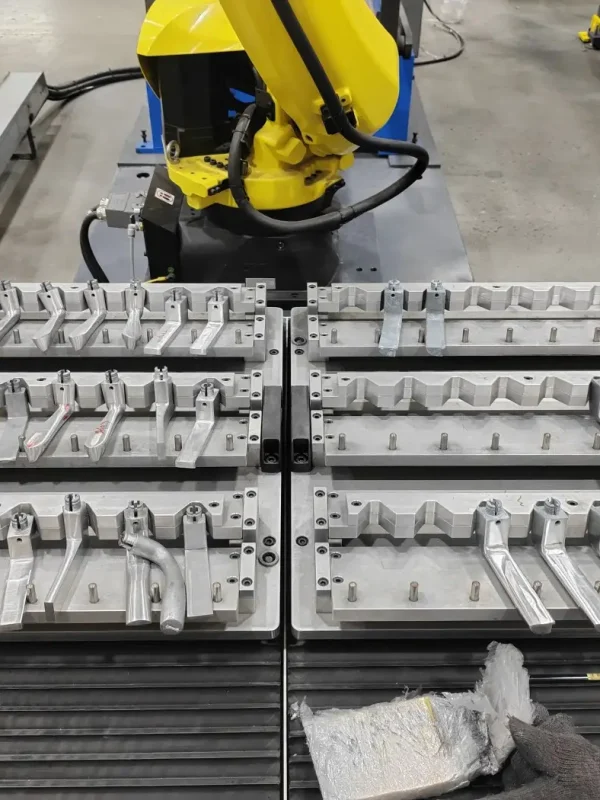
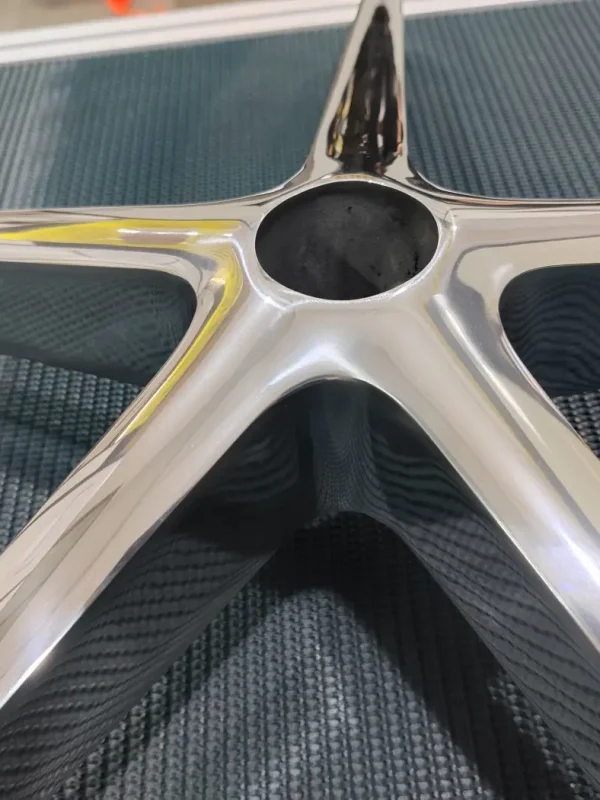
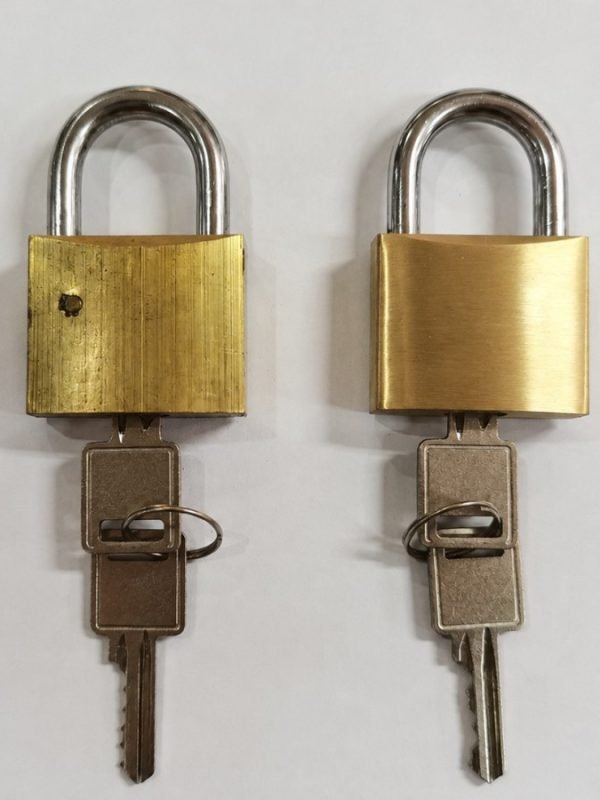
Kingstone Robotics designs and integrates automated systems for grinding, polishing and deburring. We start with your component drawing, material, incoming surface condition and required finish, then review tool access, workholding and the appropriate process sequence.
Our services cover process development, cell design, robot programming, installation and operator training. The quotation defines the equipment, project deliverables and support included in your system. Where sample trials are part of the project, the results and acceptance criteria are agreed before the equipment configuration is finalized.


Our Services
What Our Service Covers
Kingstone supports your finishing project from the initial component review through equipment integration and production preparation. The scope is defined around your parts, required output and acceptance criteria, with equipment and service responsibilities stated in the project proposal.

Part Review and Process Planning
We review your drawings, material, incoming surface and finishing requirements. This helps define the areas to process, features to protect, workholding method and suitable tool sequence.

Cell Design and Integration
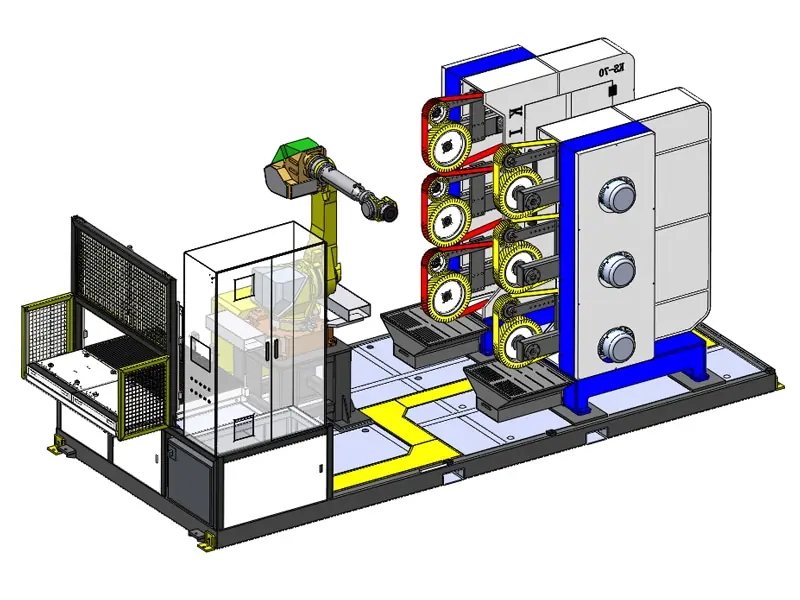
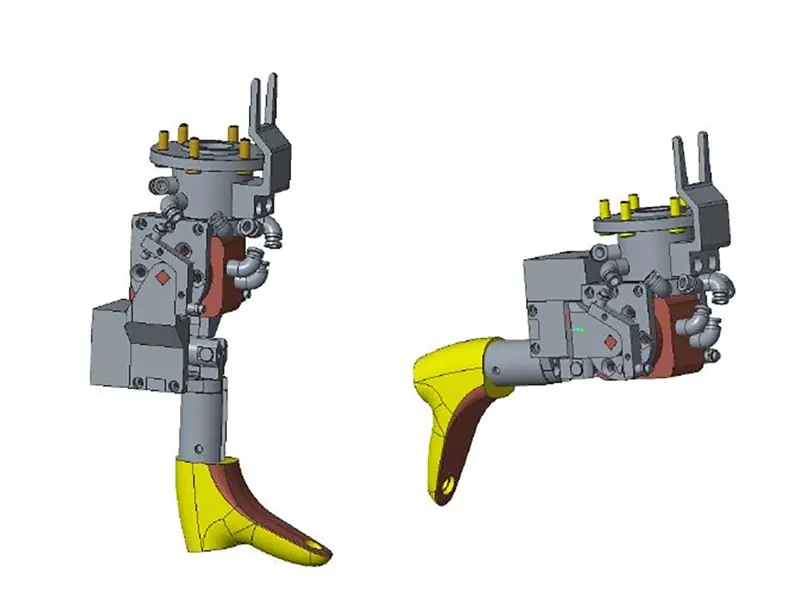
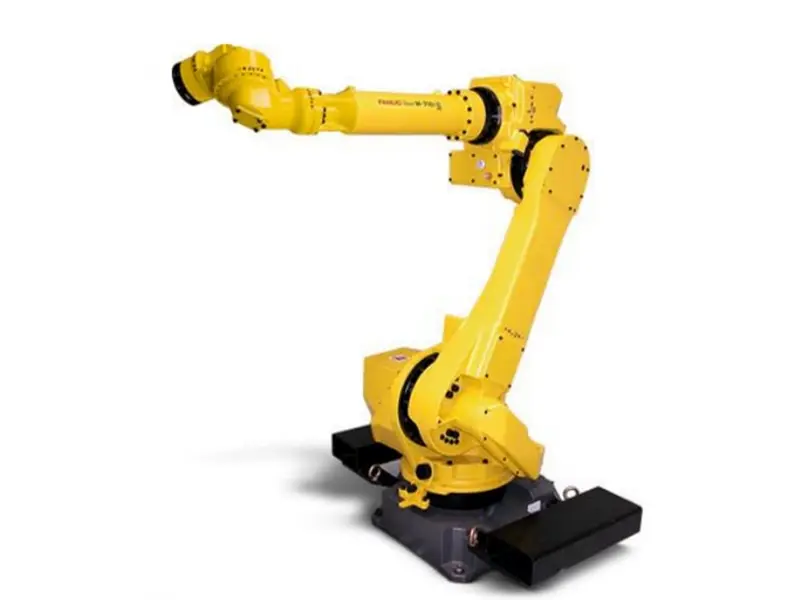
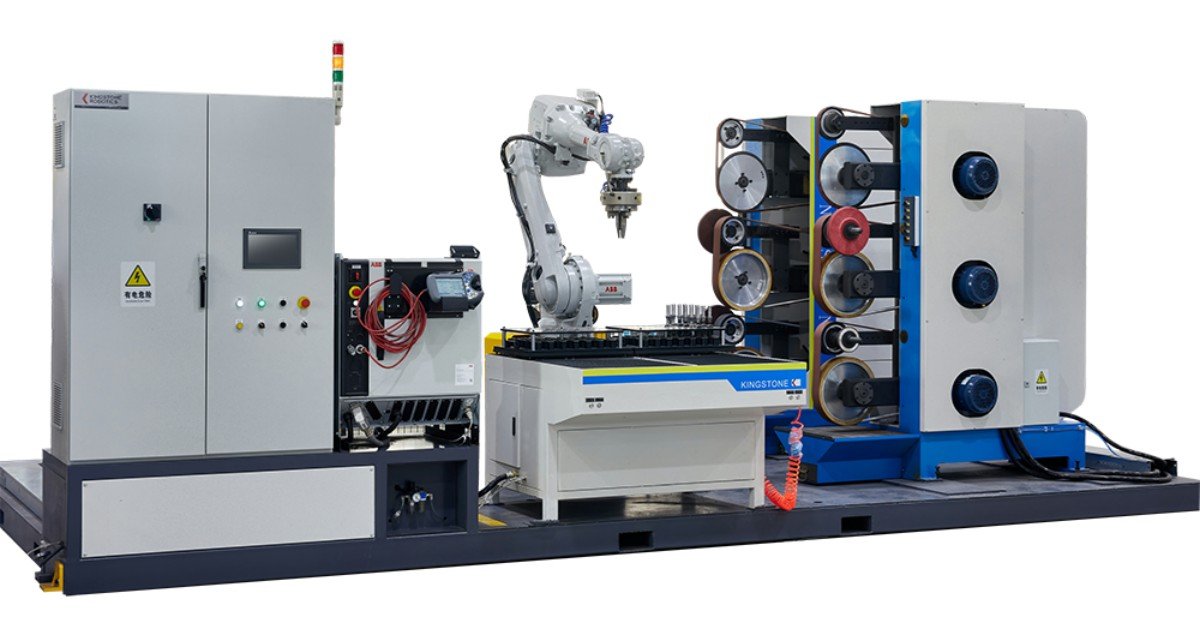
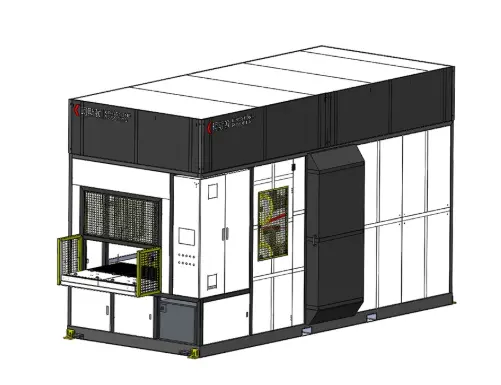
We configure the robot, process tools, fixtures, controls and loading arrangement around the agreed application. The cell layout also considers available space, utilities and the flow of parts through production.

Robot Programming and Testing
Programs are developed for the agreed part references and process stages. Testing with representative components checks tool access, processing sequence and the result against the specified acceptance criteria.

Installation and Operator Training
Installation and commissioning are arranged within the agreed project scope. Operator training covers normal operation, part loading, program selection, approved changeovers, consumable replacement and routine equipment checks.

Maintenance and Service Support
We provide guidance on routine maintenance and consumable replacement for the delivered system. Support requests are reviewed using the machine identification, alarm details and relevant photographs or video.
How We Develop Your Finishing System

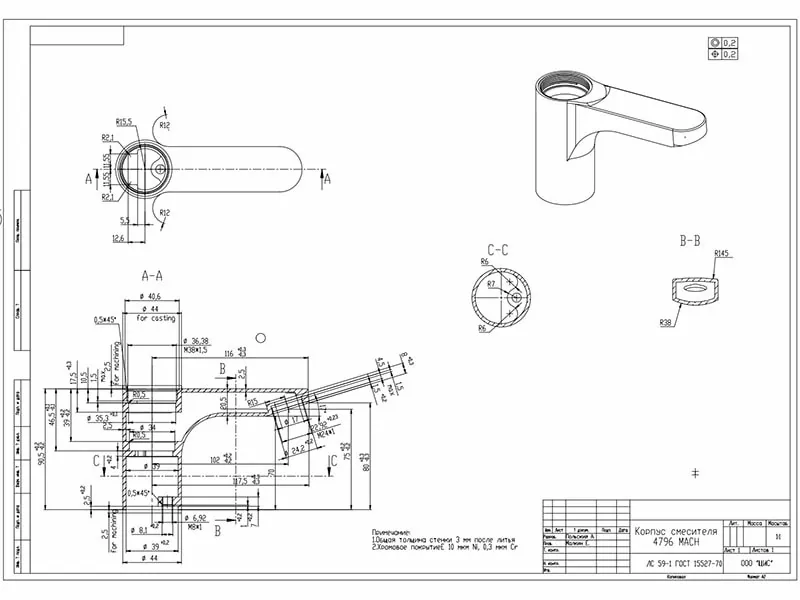
Step 1: Part Review and Process Design
We review the component drawing, material, starting surface and required result. The process plan identifies workholding, tool access and the finishing stages needed for the application.
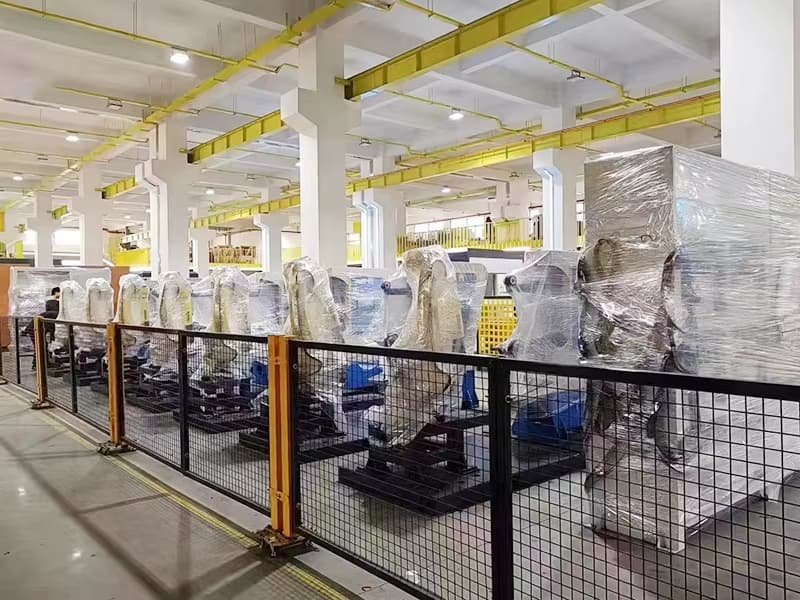
Step 2: System Assembly and Testing
We assemble the robot, process equipment, fixtures and controls according to the agreed layout. The processing sequence is checked using the specified sample parts and acceptance requirements.
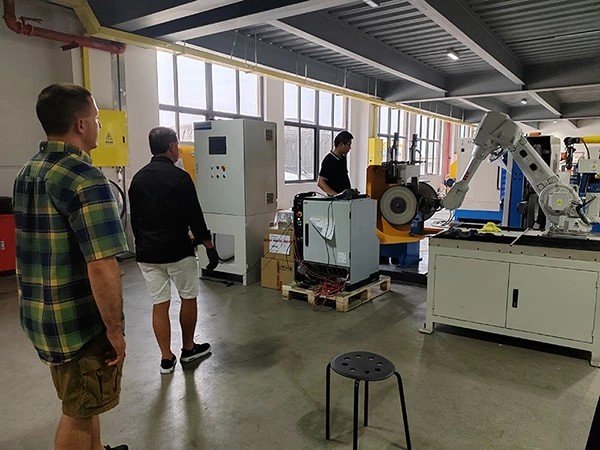
Step 3: Installation and Operator Training
We commission the delivered system and train operators within the agreed project scope. Training covers operation, program selection, part changeover, consumable replacement and routine maintenance.
Application Review
Discuss Your Part and Finishing Requirements
The suitable finishing system depends on your component material, geometry, incoming surface and required result. Send us a drawing or sample photographs so we can review the processing areas, workholding and production requirements for your application.
Application Example
Faucet Grinding Project Example
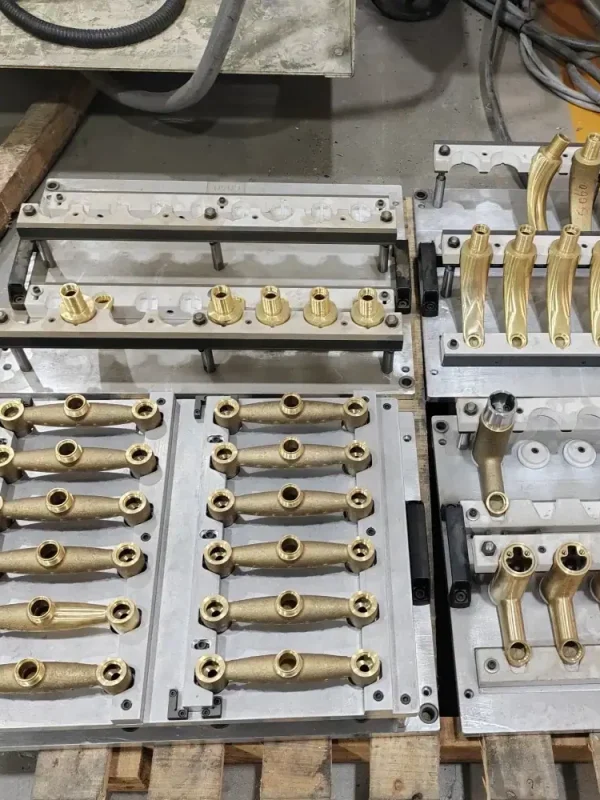
This example illustrates how a robotic grinding cell can be planned around a copper alloy faucet body. The workholding, abrasive sequence and equipment layout are developed for the specified component and its incoming surface condition.
Example Workpiece and Process
Workpiece: Copper alloy faucet body.
Process: Belt grinding after preliminary surface preparation.
Reference abrasive sequence: 120, 180, 320 and 600 grit.
The final abrasive sequence and processing time depend on the incoming surface, required finish and results obtained with representative samples.
Information Needed for a Quotation
To prepare an application proposal, please share:
• Component drawings or a 3D model.
• Material, dimensions and part weight.
• Photographs of the incoming surface.
• Areas to grind, polish or deburr.
• Required finish and inspection criteria.
• Target output and number of part variants.
• Available floor space and preferred loading method.
• Delivery location and installation requirements.
The quotation will identify the proposed equipment, fixtures, process tools, service scope and any optional items.

Warranty and After Sales Support
Kingstone provides warranty coverage for one year on mechanical and electrical components under the agreed contract terms. The project agreement defines the warranty start date, coverage and exclusions.
Warranty and service responsibilities for robots and components from other suppliers follow the applicable supplier terms.
Installation, commissioning and operator training are arranged within the agreed project scope. For a support request, please provide the machine identification, alarm information and relevant photographs or video so the issue can be reviewed.