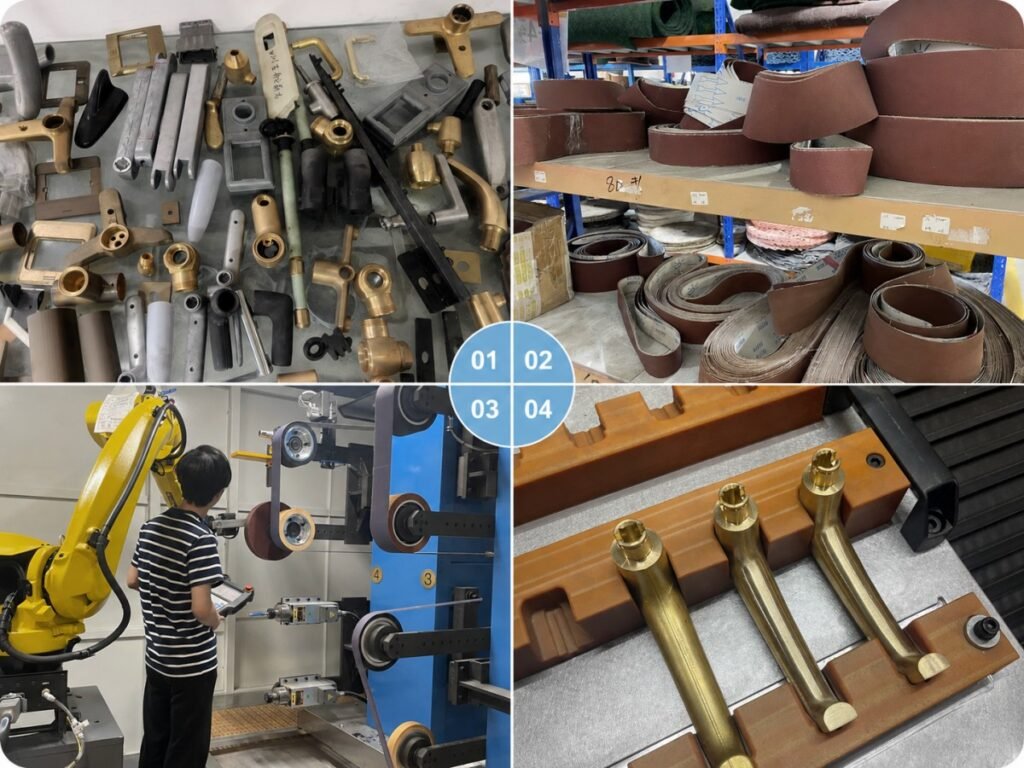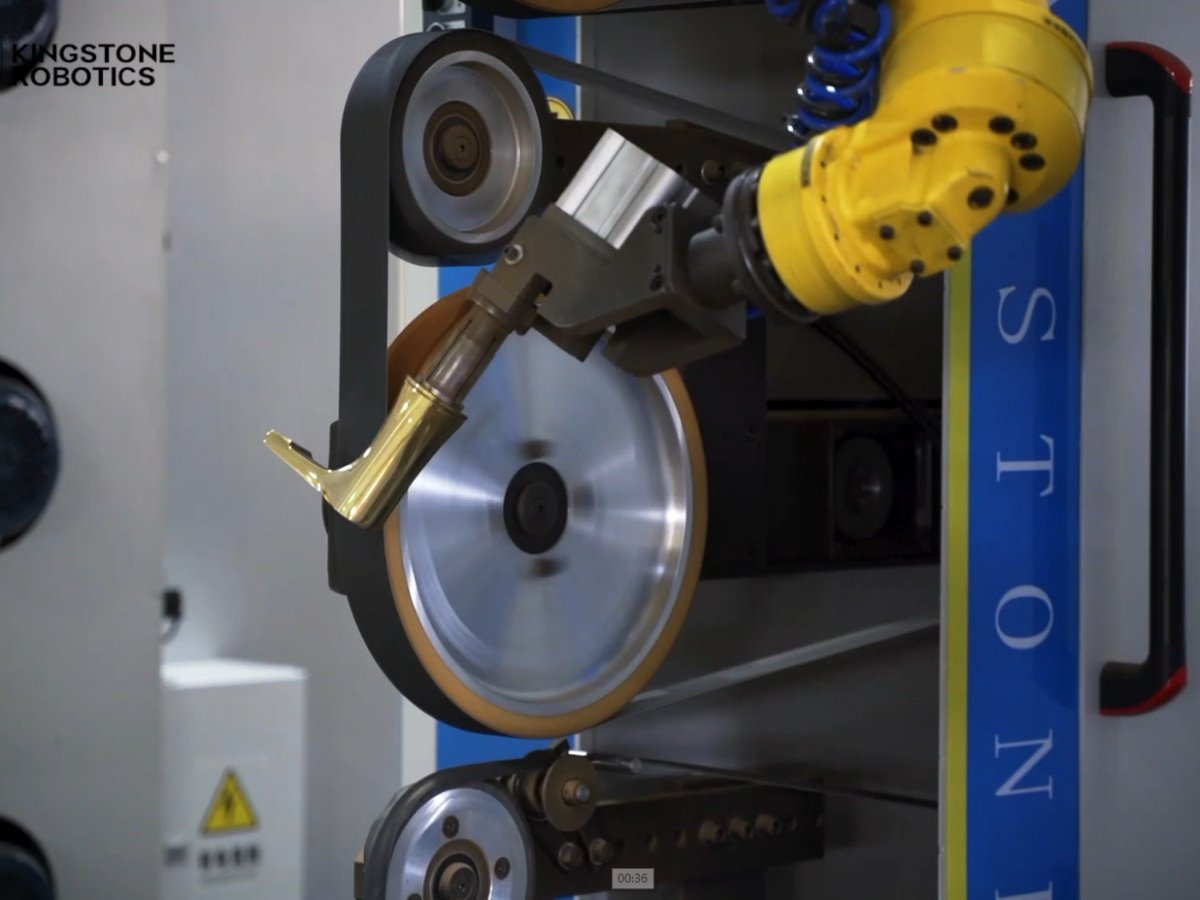
Kingstone Robotics designs robotic cells that combine belt grinding, fine sanding and polishing according to the workpiece and required finish. We select the handling method, fixtures, abrasives and cell configuration after reviewing actual parts, finish targets and production requirements.
Our automated grinding solutions are successfully implemented across diverse industries, handling:

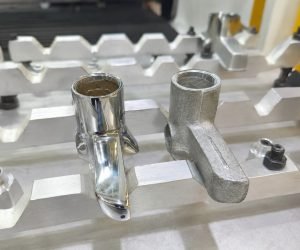
Robotic grinding and polishing for zinc alloy faucet bodies, from casting marks to smoother surfaces.
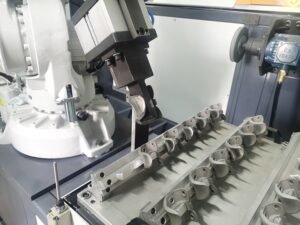
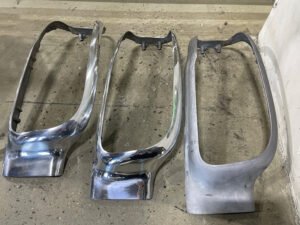
Grinding and polishing solutions tailored to cast parts with different shapes and surface requirements.
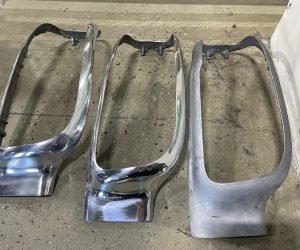
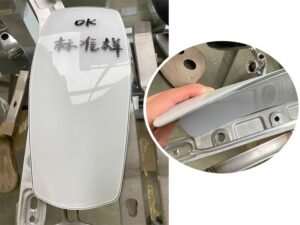
Robotic finishing for automotive tail light components
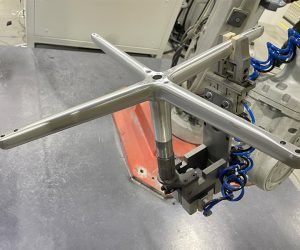
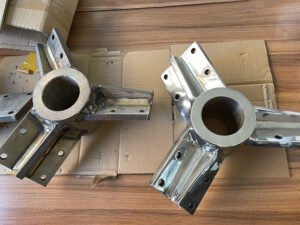
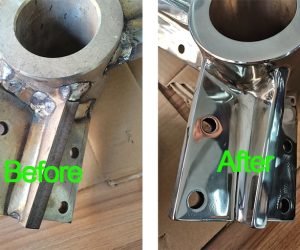
Grinding and polishing for aluminum chair leg bases.

A cell can combine a six-axis robot, workpiece fixtures, abrasive belt stations and polishing wheels. Force control, abrasive-wear compensation, guarding and dust extraction are selected according to the process. Vision inspection, automatic tool changes and additional handling stations can be evaluated when the application requires them.
Integration capability with existing equipment for seamless operation.
Organizes multiple tools for automated retrieval and task-specific deployment.
Use advanced vision technology for defect detection and optimized grinding paths.
Provide precise pressure and consistent finishing.
Allow high-volume throughput with minimal manual intervention.
Supports scheduled or condition-based switching of tools and abrasives to reduce downtime.
Detects dimensional deviations and part positioning in real time to ensure processing accuracy.
Fully enclosed structure with insulation and safety shielding for operator protection and environmental control.

20-60 kg Robotic Four Belt Sander Polishing Machine. Example configurations. Final equipment layout depends on the workpiece and validated process.

20-60 kg Robotic Double Belts Sander and 2 layers cloth polishing machine. Example configurations. Final equipment layout depends on the workpiece and validated process.

Automation Surface Finish Solutions we provide for grinding and polishing project. Example configurations. Final equipment layout depends on the workpiece and validated process.
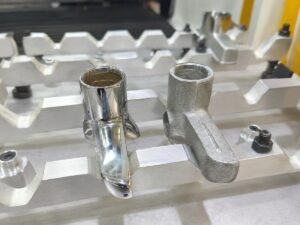
Explore robotic grinding and polishing applications for faucet bodies, cast metal parts, automotive components and chair bases. Each cell is configured around the workpiece geometry, starting surface and target finish.


Send us your workpiece photos or drawings, material, dimensions, current surface condition, target finish and required output. We can review the finishing steps and recommend a suitable robotic cell for sample testing.
Fixture design, robot paths and optional inspection are selected to accommodate acceptable variation in incoming parts.
Stored programs and offline programming can support repeat production and new part variants, followed by process validation.

Abrasive belts, contact wheels and polishing media are selected and tested against the required geometry and finish.
Sample testing helps define achievable results and acceptance criteria. Inspection can be integrated where the project requires it.
Send us your part photo or drawing, material, dimensions, target finish and expected output. We review the process requirements with you.
We test representative parts to select the grinding and polishing sequence and assess the achievable finish.
Based on the trial results, we specify the robot, fixtures, tooling and cell layout for your application.
The completed cell is assembled and tested with representative parts before shipment.
We commission the cell and train operators on setup, changeover and routine operation.
Our team helps with operating questions, maintenance and service requests.
Repeatable Finishes: Defined tooling and process settings help produce consistent results across parts.
Predictable Throughput: Automated processing helps make cycle times more consistent after the process is validated.
Integrated Safety Options: Enclosures and dust collection can be included according to application requirements.
Flexible Part Changeovers: Fixtures and saved programs can be configured for different validated parts.
Share your part photos or drawings, material, dimensions, workpiece weight, areas to be finished, target surface and required output. Actual samples are helpful for evaluating the abrasive sequence and achievable finish.