
Introduction
In today’s fast-paced and highly competitive manufacturing environment, automation has become a necessity—not a luxury. Small and medium manufacturers (SMMs) are under increasing pressure from labor shortages, rising production costs, and growing demands for consistent quality. According to a McKinsey & Company report, automation can boost productivity by up to 30% while significantly cutting operational expenses.
Yet despite these benefits, many SMMs face barriers when trying to adopt automation. Limited budgets, technical skill gaps, and concerns about disrupting existing processes often delay or prevent implementation. Even though automation has become more accessible, a strategic and well-supported approach is still essential for long-term success.
That’s where Kingstone Robotics (KS) comes in. With decades of experience in robotic grinding, polishing, and buffing, KS provides turnkey automation solutions specifically designed to meet the unique needs of SMMs. Having empowered over 500 manufacturers globally with up to 50% improvements in throughput and safety, KS understands how to guide businesses through the transition.
This guide combines real-world insights and proven methods to walk you through eight practical steps that will help you confidently begin your automation journey—and unlock new levels of efficiency and growth.
Step 1: Define Clear Objectives
Why It’s Important
A clearly defined objective is the foundation of any successful automation project. Without a clear goal, manufacturers risk investing in solutions that fail to deliver value.
Supporting Data
A study by the Project Management Institute (PMI) found that projects with well-defined objectives are 2.5 times more likely to succeed.
Example
An SMM in the metal finishing industry aimed to reduce rework caused by inconsistent polishing. By clearly defining their objective—reducing defects by 20%—they were able to select the right automation solution and measure its success effectively.
KS’s Role
KS helps clients define their automation objectives with a structured consultation process that focuses on surface finishing challenges. Their team ensures that automation aligns with business goals and production needs.
- Cost Reduction: Minimize manual labor and material waste.
- Quality Consistency: Eliminate human error in polishing processes.
- Safety: Reduce worker exposure to hazardous grinding environments.
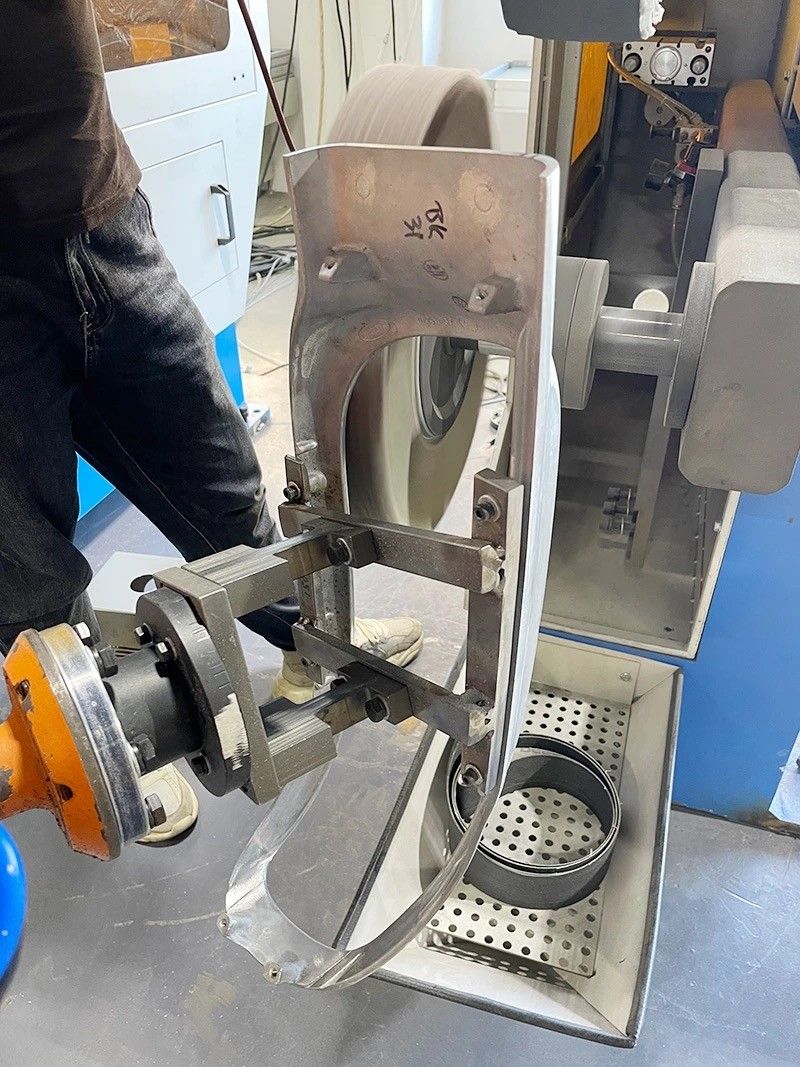
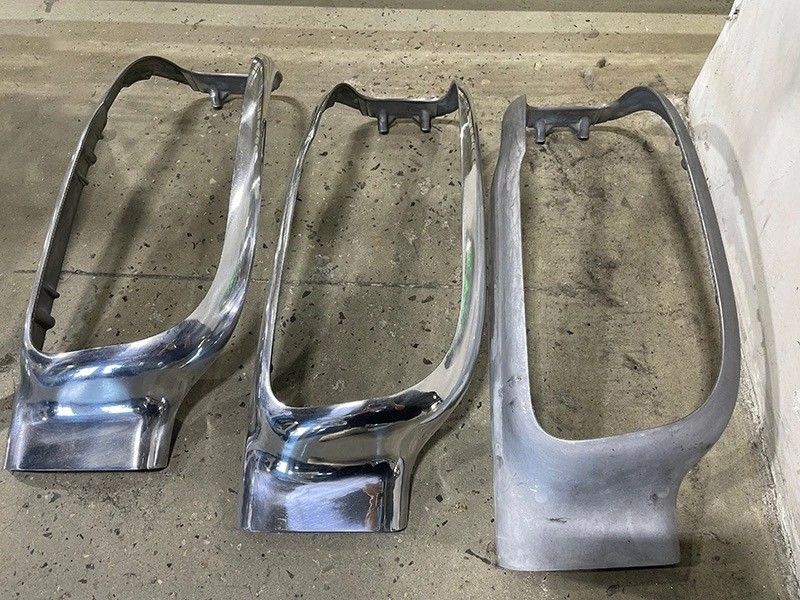
For a automotive parts manufacturer, KS identified “reducing polishing defects by 30%” as the primary goal. By integrating all-in-one grinding and polishing workstation, the client achieved a 35% quality improvement within six months.
Step 2: Appoint a Technical Champion
Why It’s Important
Adopting automation requires leadership. A technical champion—someone responsible for driving the initiative—ensures smoother implementation and company-wide buy-in.A technical champion bridges the gap between management and execution. Harvard Business Review emphasizes that leaders with hybrid skills in engineering and project management accelerate technology adoption by 40%.
KS’s Role
KS offers training programs to develop technical champions, ensuring that companies have internal leaders who understand and advocate for automation.
- Collaborate with KS engineers to design cobot-powered buffing cells.
- Oversee Factory Acceptance Tests (FAT) to validate system performance.
Step 3: Form an Advanced Manufacturing Team (AMT)
Why It’s Important
Cross-functional teams ensure automation projects account for all operational aspects, from engineering to production. A Deloitte report highlights that manufacturers with AMTs experience a 40% reduction in capital expenditure (CAPEX) when implementing automation.
Example
A KS client in the aerospace industry formed an AMT, which helped integrate automated polishing into existing workflows. This reduced capital costs and improved efficiency.
KS’s Role
KS assists in assembling AMTs by providing training and ongoing support to engineers, operators, and managers involved in automation projects. For clients who need all-in-one or one-stop solutions, the KS team will also provide corresponding solution customization and robot system integration to fully meet customer needs.
Step 4: Secure Management Support
Why It’s Important
Top-down support is critical for funding and strategic alignment.A MIT Sloan Management Review article found that strong executive backing led to faster approval of automation budgets and better long-term adoption.
Example
A manufacturing firm struggled with automation due to budget constraints. Once management recognized the long-term cost savings, they allocated funds, leading to a 25% increase in production capacity.
Kingstone Robotics’ cases
Kingstone Robotics provides ROI-focused presentations and case studies to help management understand automation’s financial benefits. A KS client secured a 20% CAPEX approval increase after demonstrating a 12-month payback period for automated buffing lines.
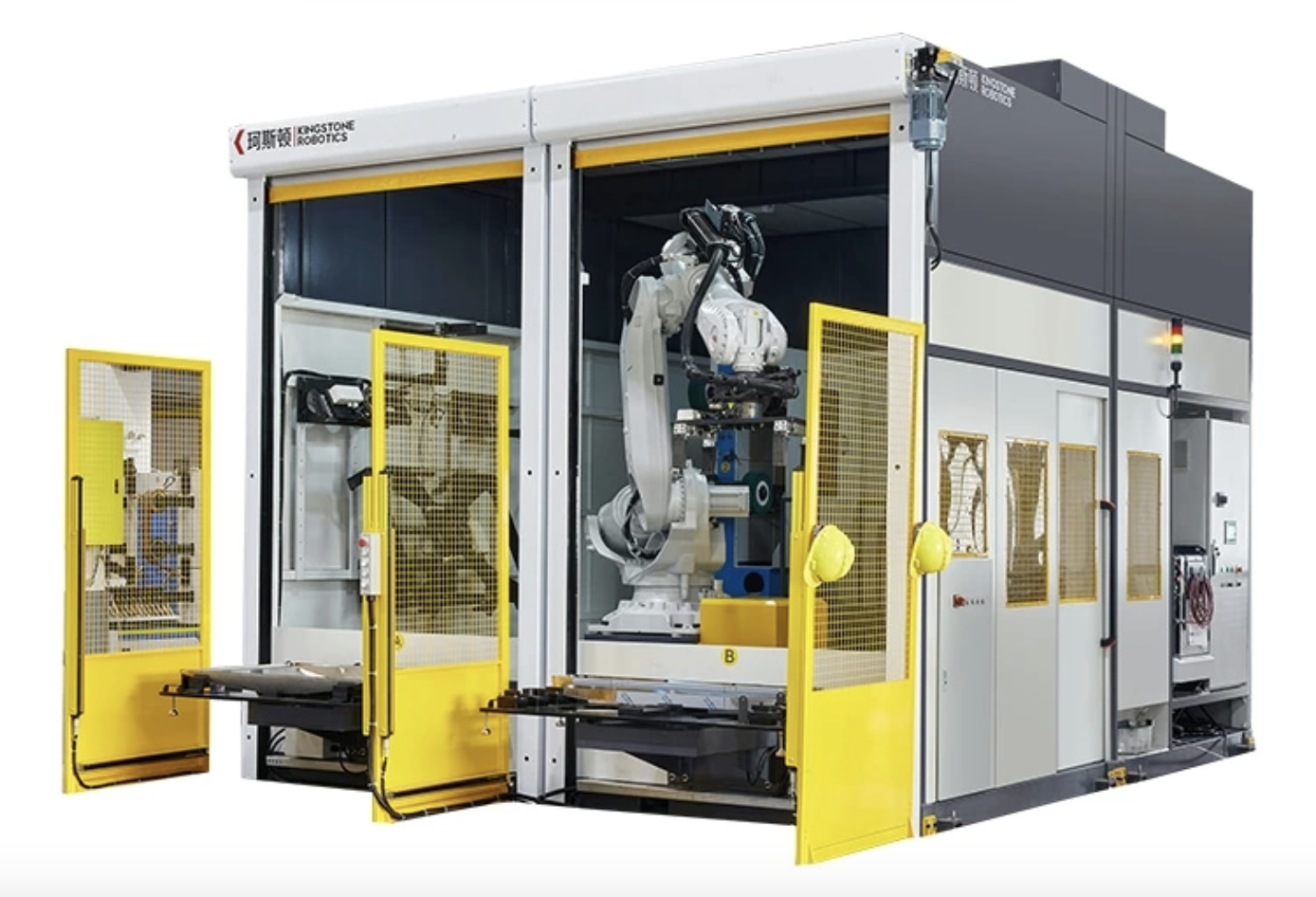
Integrated Buff Workstation cases from ks
Step 5: Start with a Low-Risk, Quick-Win Project
Why It’s Important
Quick Wins Build Momentum. A low-risk pilot project builds confidence and demonstrates ROI, encouraging further investment. Begin with a modular project, such as automating a single grinding station. KS’s plug-and-play robotic cells can be deployed in under four weeks.
Example
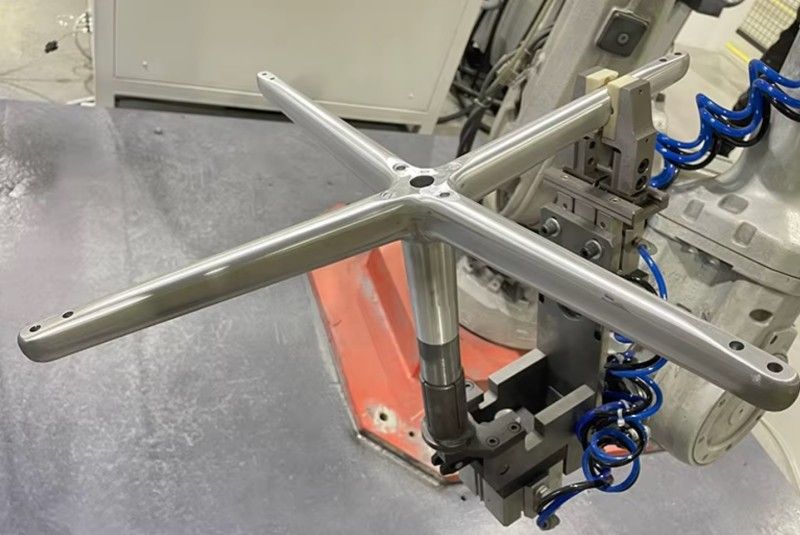
KS helped a client automate a buffing line, reducing cycle times by 35% and achieving full ROI in just six months. And for another case, a furniture manufacturer automated a sanding workstation, achieving 200% ROI in eight months. The success spurred plant-wide adoption.
KS identifies high-impact, low-risk automation opportunities, allowing SMMs to see immediate benefits.
Step 6: Involve Employees Early
Why It’s Important
Employees are the end users of automation and can provide valuable insights for smoother implementation. These Operators often spot inefficiencies invisible to engineers. A Journal of Manufacturing Systems study found that involving workers in automation design boosts adoption rates by 60%.
A Journal of Manufacturing Systems study found that early employee involvement reduced automation failures by 50%.
KS’s Role
KS provides on-site training and feedback sessions to ensure employees are engaged and equipped to use new technologies. Align robot programming with operator workflows to ensure seamless integration. For product after-sales, the KS team will provide corresponding help strategies based on feedback.
Step 7: Partner with the Right Automation Experts
Why It’s Important
Collaborating with experienced automation partners ensures access to the latest technology and best practices.
Example
An SMM in the precision manufacturing sector partnered with to automate their polishing process, reducing defects by 30%.
Our KS team is a system integrator with independently developed polishing machines and sanding workstation solutions. Paired with ABB, KUKA, FANUC six-axis robotic arms and other accessories, we provide comprehensive A-Z solutionsfor multi-stage polishing and other complex surface finishing needs.
Step 8: Leverage Cloud and Data Tools
Why It’s Important
The Future is Digital. Cloud-based automation solutions enable real-time monitoring and data-driven decision-making. According to Gartner’s Hype Cycle for Manufacturing, cloud computing adoption in manufacturing has grown by 40% in the past five years.
You might need the function :
- Real-time monitoring of abrasive tool wear.
- Predictive maintenance for grinding robots.
KS’s Role
KS provides proprietary cloud-based analytics tools to help manufacturers track performance and optimize operations.
Conclusion: Building a Smarter Future with Automation
For small and medium manufacturers, staying competitive in today’s market requires more than just maintaining quality—it demands strategic automation. By following these eight essential steps, manufacturers can transition smoothly, reduce risks, and lay a solid foundation for long-term growth:
- Define clear objectives
- Appoint a technical champion
- Form an Advanced Manufacturing Team (AMT)
- Secure management support
- Start with a low-risk, quick-win project
- Involve employees early
- Partner with the right automation experts
- Leverage cloud and data tools
At Kingstone Robotics (KS), we specialize in helping SMMs turn automation goals into reality. With decades of experience in surface finishing systems and smart manufacturing integration, we provide end-to-end support—from project planning and system design to training, deployment, and ongoing analytics.
If you’re ready to boost efficiency, improve product quality, and future-proof your operations, KS is here to help you take the next step.