
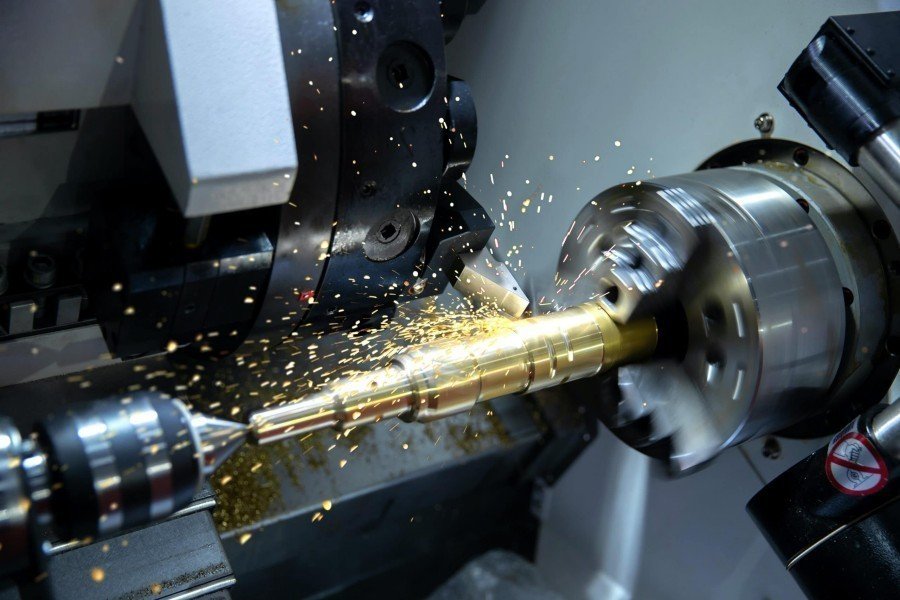
In modern manufacturing, grinding and polishing are essential steps for achieving smooth, functional, and visually appealing surfaces on products ranging from auto parts to kitchenware. Traditionally done by hand, these processes are time-consuming, inconsistent, and physically demanding—leading to fatigue, safety concerns, and quality variation.
To address these issues, many factories are moving toward robotic grinding and polishing lines, which offer reliable, efficient, and scalable finishing solutions. Kingstone Robotics is a recognized leader in this field, offering fully integrated systems designed to handle a wide range of parts and materials.
Here’s a step-by-step overview of how a typical robotic grinding and polishing line operates:
1. How Robots Know What to Polish: Smart Product Recognition
Every grinding job is different. Some products are small, some are large. Some need fine polishing, others need strong grinding. That’s why Kingstone systems start with a product recognition system. Using high-resolution cameras and smart software, the system looks at each product and identifies what type it is. It can see the size, shape, and position.
Then, the system picks the right grinding program automatically. This saves time and prevents mistakes. Workers don’t need to change programs manually or worry about errors. This kind of smart recognition is key to flexible manufacturing.
2. No Hands Needed: Fully Automatic Loading and Unloading
In traditional workshops, workers must move each product by hand. This is slow and risky. Robotic systems from Kingstone use robotic arms with special grippers. These arms pick up each product and place it in the right spot for grinding.
The arms can also handle odd-shaped items. Even if a product is not in the exact same place on the tray, the robot can adjust. This means more flexibility and less human work.
Kingstone also offers double-station setups. While one product is being ground, the robot can load or unload another. This keeps the system running non-stop. It increases efficiency and keeps the grinding process continuous.
3. The Heart of the System: Precision Robotic Grinding and Polishing
This is the heart of the system. Industrial robots like ABB, KUKA, or FANUC are used. These robots copy the motions of a skilled human worker—but with more precision and without getting tired.
Key features include:
- Force control: The robot adjusts how hard it pushes, so the grinding is just right.
- Auto tool compensation: When the grinding wheel wears down, the system adjusts for it.
- Auto waxing: Polishing needs wax. The robot adds it automatically.
- Multiple tools: Systems can include sanding belts, polishing wheels, chamfering tools, and more.
These tools help the system handle all types of work—from rough grinding to shiny mirror polishing. Whether you’re working on aluminum parts, bathroom hardware, or medical implants, the process stays stable and consistent.
4. Keep Things Moving: Smart Transfers Between Every Step
After grinding, the product needs to move to the next step. Kingstone uses smart conveyor belts, roller tables, or AGV robots (automatic guided vehicles). This makes sure every product moves smoothly from one station to another.
If one station is busy, the product can wait in a buffer zone. This avoids delays and keeps the whole line running smoothly. It also helps manage the pace of production when different parts take different times to process.
This flexibility is useful for factories that need to switch products quickly or run many kinds of products in one line.
5. The Brain of the Operation: Real-Time Control and Feedback
The brain behind everything is Kingstone’s smart control system. It includes:
- A touchscreen panel to operate the system
- A computer to record data
- Sensors to detect problems
- Alarms to warn about tool breaks or jams
It even stores data from every product: how long it took, what pressure was used, and more. If there’s a problem later, you can track exactly what happened. This is useful for quality tracking and improving production over time.
This closed-loop system means the robot not only follows orders but also adjusts itself based on real-time feedback. If something starts to go wrong, the system can catch it early.
6. Done and Checked: Automatic Output with Smart Inspection
Once polishing is done, the system can automatically place the finished product into a bin or onto a tray. Some setups include cameras or sensors to check for scratches or dents.
The best part? All results are saved. If a customer ever asks about product quality, you can pull up the exact grinding details for that product. That gives factories confidence and makes it easier to pass audits.
With visual inspection and auto-sorting, Kingstone helps factories build quality control into the process itself.
Why Manufacturers Love Kingstone’s Robotic Grinding Line
Kingstone’s robotic grinding line is more than a set of machines—it’s an intelligent, end-to-end solution that seamlessly integrates every stage of the surface finishing process. Designed for reliability, scalability, and ease of use, it has become the go-to choice for manufacturers seeking precision and productivity.
Here’s why so many companies choose Kingstone:
- Stable: Operates 24/7 with consistent performance and no drop in quality over time
- Efficient: One robotic unit can handle the workload of multiple manual operators, reducing labor costs
- Consistent: Delivers identical surface finishes across all parts, ensuring product uniformity
- Data-Driven: Monitors and logs every step of the process for traceability, quality control, and predictive maintenance
- Safe and Clean: Minimizes dust exposure and physical strain, improving workplace safety and cleanliness
- Flexible: Easily adapts to different product sizes, shapes, and materials—ideal for high-mix production lines
From bathroom fixtures and automotive components to medical devices, Kingstone has deployed over 1,000 robotic grinding systems in factories around the world. Clients consistently praise Kingstone for its ability to customize solutions, deliver reliable performance, and provide ongoing technical support—making it a trusted partner in smart manufacturing transformation.