
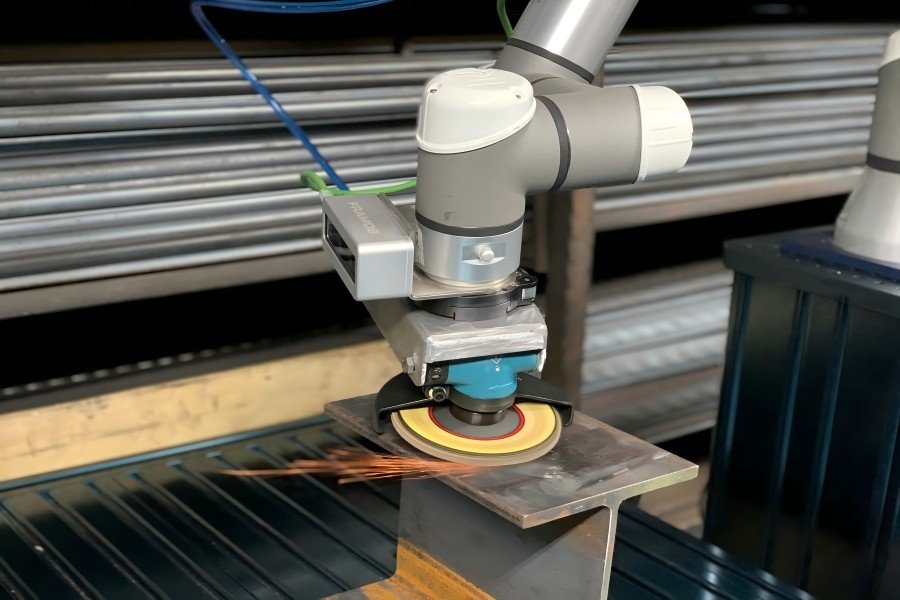
In today’s era of smart manufacturing, automation is more than a technological upgrade—it’s a strategic advantage that drives efficiency, quality, and competitiveness. But simply installing a robotic arm isn’t enough. Without proper planning, integration, and customization, even the most advanced robot can fall short of expectations.
That’s where robotic integrators come in.
A robotic integrator is not just a vendor—they’re a solution architect. Their job is to assess your existing processes, understand your production goals, and design a complete automation system that works seamlessly within your workflow. From hardware selection and software programming to safety compliance and post-installation support, integrators ensure that every robot deployed is optimized for performance, reliability, and ROI.
This article explores why robotic integrators are essential to successful automation. It outlines their key responsibilities, the value they add during each stage of the project lifecycle, and how experienced integrators like KS ROBOT help manufacturers turn automation into a scalable, intelligent, and future-ready solution.
What Is a Robotic Integrator?
A robotic integrator is a technical partner that specializes in designing, building, and delivering fully integrated robotic systems tailored to a manufacturer’s processes. They combine robots with end-of-arm tooling, sensors, software, safety features, and conveyors—making them work together seamlessly.
While robot manufacturers provide the base hardware, robotic integrators make it usable. Their job is to bridge the gap between standard equipment and specific industrial applications.
More than just installation experts, robotic systems integrators are engineers, project managers, and problem-solvers rolled into one.
And they do not simply sell robots—they deliver complete, operational solutions by integrating robotic hardware with peripheral technologies like:
• End-of-arm tooling (EOAT),
• Safety enclosures,
• Sensors,
• Vision systems,
• Programmable logic controllers (PLCs),
• Human-machine interfaces (HMIs),
• Data connectivity systems.
According to Gomaa (2025), the value of robotic systems in smart manufacturing lies not in individual machines but in how these machines are integrated to interact with the broader ecosystem—including human workers, MES software, and IoT frameworks. Robotic integrators play this orchestration role.
Why Integration Matters: Robots Alone Aren’t Enough
Too often, manufacturers believe that buying a robot is like adding a tool to their workshop. In reality, a robot is more like a blank slate—it needs to be programmed, equipped, and configured to perform any meaningful task.
Consider these challenges:
- Application complexity: Grinding, deburring, welding, and polishing—each process requires different pressures, angles, motions, and tools.
- Part variability: Robots need vision systems or sensors to handle inconsistencies in incoming parts.
- Safety requirements: Robotics systems must comply with strict standards, especially in human-robot collaborative spaces.
- System coordination: Robots rarely work alone. They must communicate with other machines, control systems, and sometimes enterprise-level software.
A good robot integration strategy makes sure all of these variables are addressed before the first part hits the line. As Azad et al. (2025) point out, system-wide integration is what transforms isolated automation into lean, synchronized production cells, enabling both high throughput and flexibility.
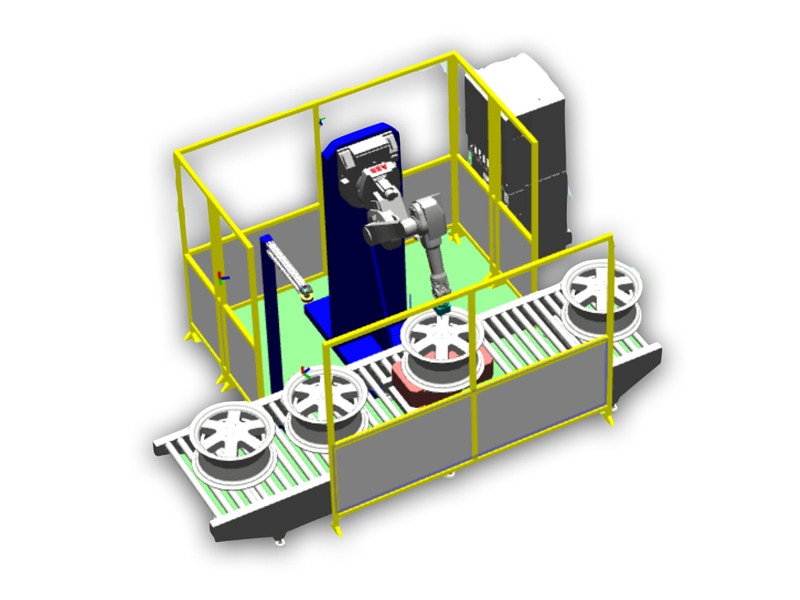
Kingstone Robotics – Automotive Wheel Grinding And Deburring
What Does a Robotic Integrator Do?
From feasibility study to full-scale deployment, robot integrators guide manufacturers through the complete automation journey. Their role typically includes:
- Needs Assessment
They begin by understanding your existing processes, identifying pain points, and determining if robotics will truly add value.
- System Design
Based on your goals, they create a full system layout—specifying robot models, grippers, sensors, control panels, and safety systems. Each design is tailored to the product’s geometry, material, and handling requirements.
- Simulation & Proof of Concept
Many integrators use software simulations and digital twins to test concepts, verify timing, and evaluate collision risks before physical implementation.
- Full Robot Integration
This includes mechanical and electrical installation, PLC or PC programming, user interface development, and integration with existing systems.
- Testing & Commissioning
After setup, the system undergoes Site Acceptance Testing (SAT). This includes: Debugging workflows,Validating safety protocols,Fine-tuning cycle times,Troubleshooting hardware/software mismatches and Training & Lifecycle Support.
They train your operators and maintenance team. A strong integrator also offers long-term support—system upgrades, remote diagnostics, reprogramming for new products, and preventive maintenance—to ensure your robotic system continues to deliver value as your needs evolve.
Who Needs a Robot Integrator?
The simple answer? Any manufacturer looking to automate a complex or high-precision process. But robotic integrators are especially vital for:
- Manufacturers with no in-house automation team
- Custom or variable production environments
- Industries with high safety risks
- High-volume production lines
- Factories under pressure to scale
Integrators ensure the technology fits your actual workflow—not the other way around.
Choosing the Right Robotic Integrator
As with any long-term partnership, choosing the right robot integration company can make or break the success of your project. Here’s what to look for:
- Cross-industry experience
- Technical depth (vision, force control, data integration)
- Turnkey delivery from design to deployment
- Aftermarket support and training
- Strong relationships with robot OEMs
- Scalability and long-term flexibility
Also, trust your gut—do they understand your goals and offer realistic expectations? Great robotic integrators manage complexity while keeping you informed and confident.
Common Missteps Without Integration Support
It’s tempting to cut costs by sourcing components separately or trying to piece things together internally. But that approach often leads to:
- Delays due to mismatched hardware or software
- Inefficiencies from poorly designed toolpaths or slow cycle times
- Operator confusion due to lack of intuitive HMI or training
- Downtime from frequent errors or maintenance issues
- Underutilized robots that don’t reach their full potential
A rogotic integrator—even if you typed it wrong in a search—might just be the partner you’re looking for to solve these issues. (Yes, we’ve seen it misspelled too!). According to Rahmati (2025), intelligent robotic systems fail more often from poor system design than from mechanical limitations. Integration mitigates these risks.
The Strategic Value of Robotic Systems Integration
Let’s be clear: the true value of automation isn’t in owning a robot. It’s in consistently producing better products, faster and safer, with fewer errors and lower long-term cost.
Robotic systems integration makes this possible by delivering:
- Reduced cycle times and labor costs
- Improved repeatability and product uniformity
- Safer working conditions and regulatory compliance
- Adaptability to new product lines or volumes
- Real-time performance monitoring and data tracking
Automation isn’t just about speed—it’s about control. Integration is what gives robots their intelligence and purpose within your operations.
Final Thoughts
A robotic arm may be the face of automation, but it’s the system behind it that delivers results. Without smart integration—proper tooling, programming, safety measures, and workflow alignment—even the best robot will fall short.
That’s why robotic integrators are more than equipment suppliers—they’re strategic partners in your automation journey. From grinding and polishing to assembly and handling, effective integration transforms robotic potential into measurable productivity gains.
So next time you consider automation, look beyond the hardware. Think process. Think performance. Think integration. That’s how you turn automation into a true competitive advantage.