
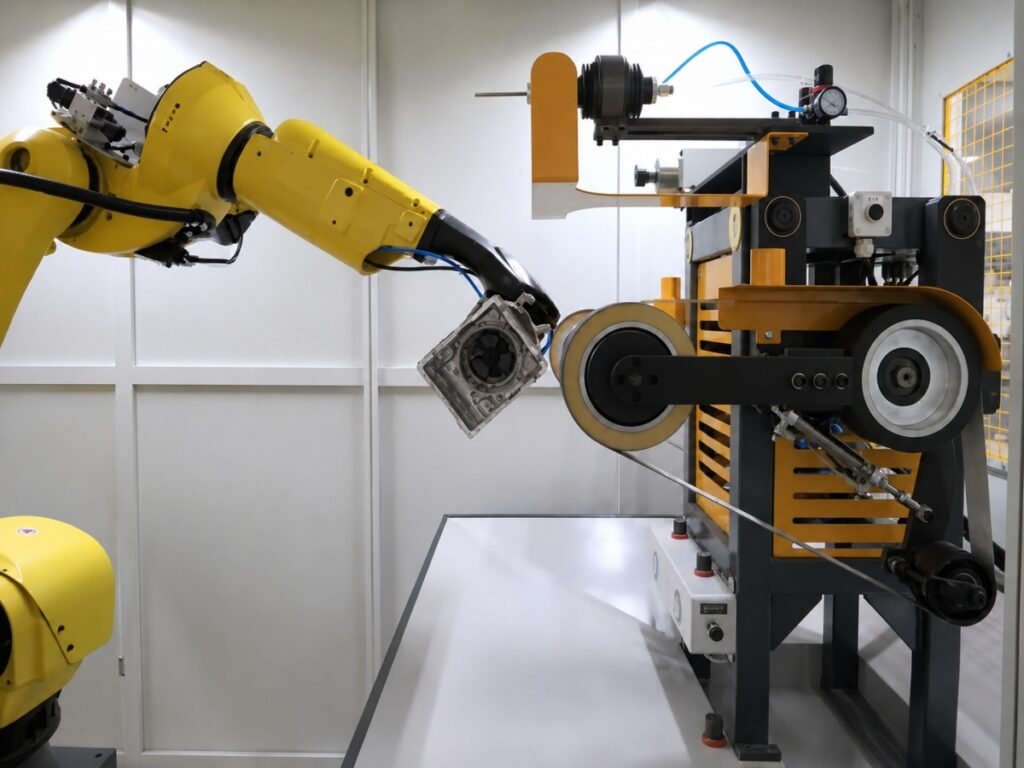
Aluminum die casting parts are widely used in automotive components, industrial equipment, machinery housings, and many other applications because of their lightweight design and excellent mechanical performance.
You may know that after the die casting process, many components still require additional grinding and polishing operations to achieve the required surface quality. Traditional manual polishing methods often face challenges such as inconsistent finishing results, high labor dependency, and difficulty maintaining stable production efficiency.
A robotic polishing machine for aluminum die casting parts provides an automated solution that helps manufacturers achieve more consistent surface finishing while improving productivity and reducing production costs.
Challenges of Traditional Aluminum Die Casting Polishing
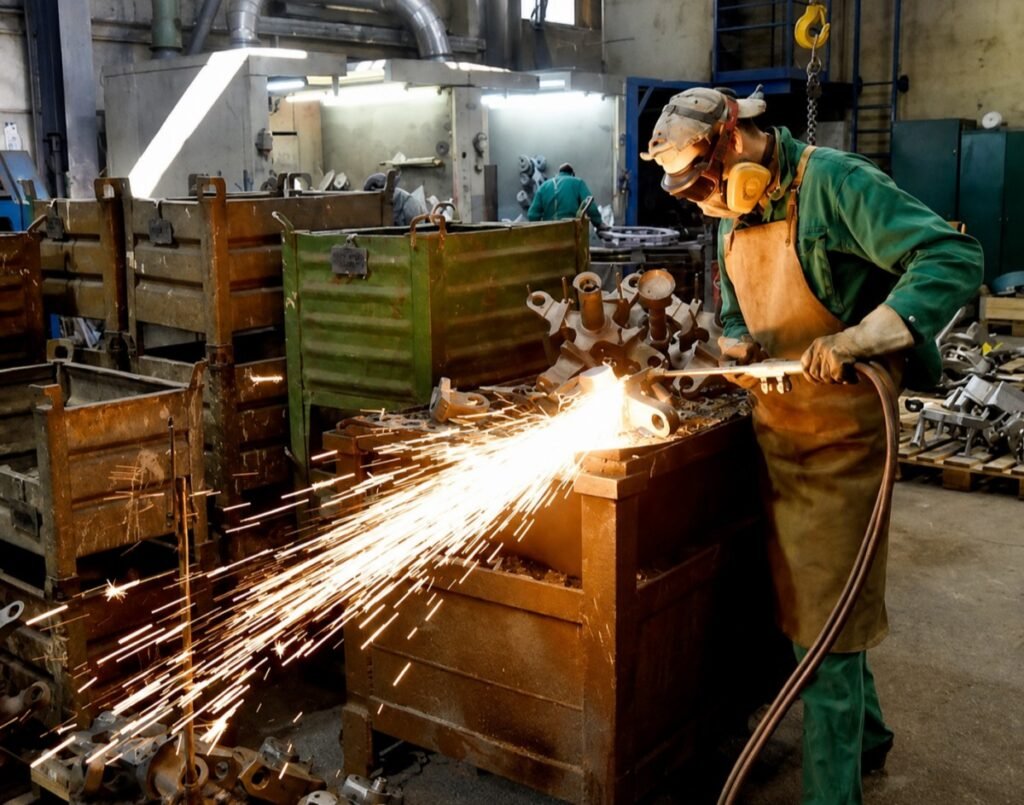
After aluminum die casting, parts may have surface conditions that require further finishing, including:
- Casting marks
- Burrs and sharp edges
- Uneven surface areas
- Minor surface imperfections
In traditional polishing operations, the final quality often depends on the operator’s experience and skill level. Different operators may apply different pressure, polishing speed, or processing methods, resulting in inconsistent surface finishes.
For manufacturers producing large quantities of aluminum components, maintaining stable quality through manual polishing can become increasingly difficult.
How Robotic Polishing Machines Improve Aluminum Die Casting Surface Finishing
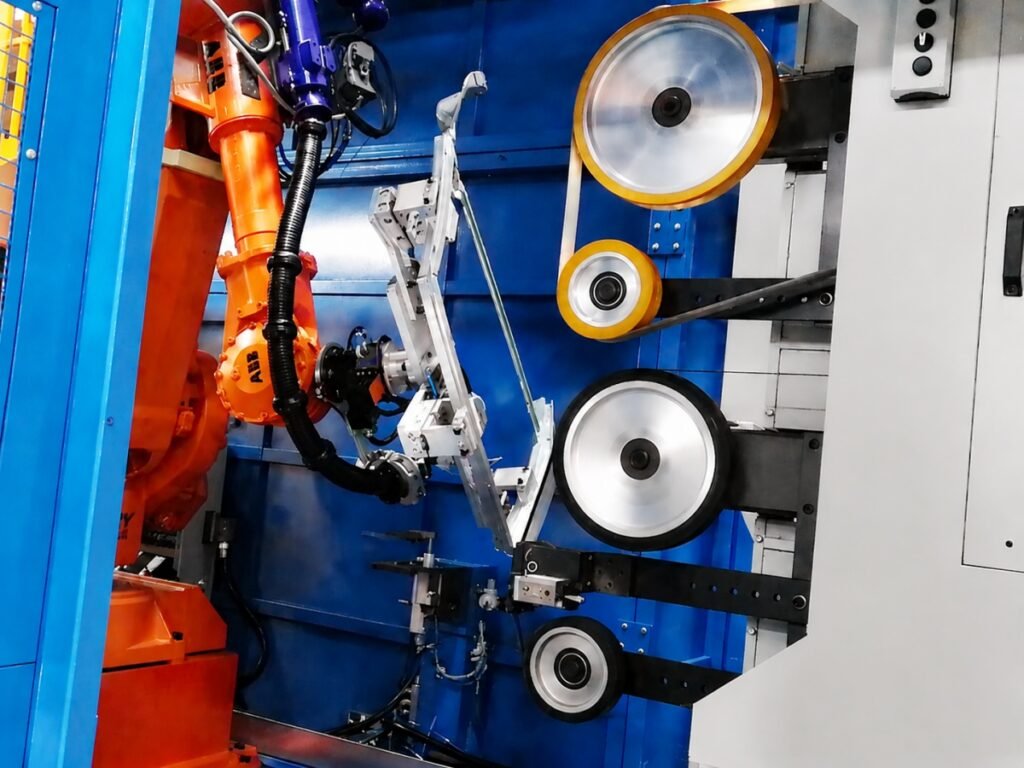
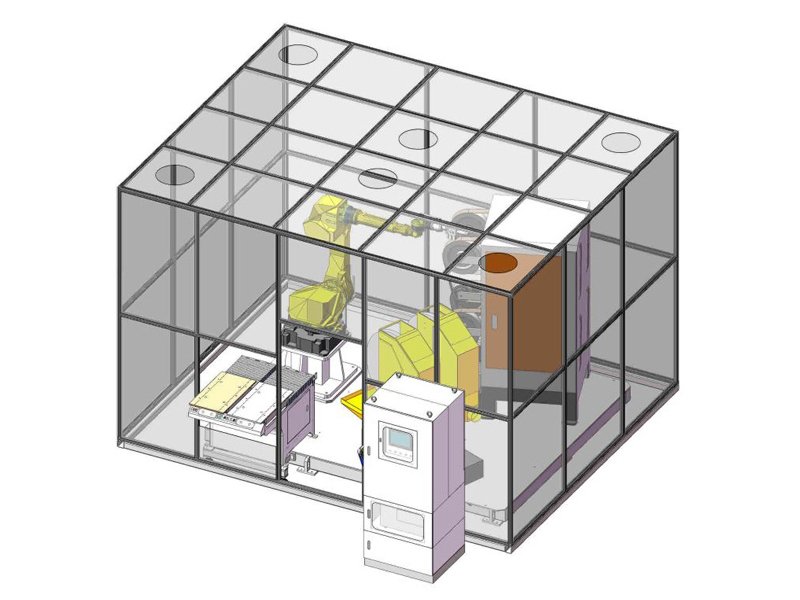
A robotic polishing machine combines an industrial robot arm with polishing tools, customized fixtures, and intelligent control systems to automate the surface finishing process.
Compared with manual polishing, robotic systems provide several important advantages.
1. Consistent Surface Quality
Robotic polishing systems can accurately control polishing paths, speed, and contact pressure.
The programmed movement allows each aluminum die casting component to receive a consistent finishing process, reducing quality variations caused by manual operations.
2. Higher Production Efficiency
Robotic polishing machines can operate continuously with stable performance, helping manufacturers increase production capacity and shorten processing time.
For companies producing large volumes of aluminum parts, automation provides a more efficient alternative to repetitive manual polishing.
3. Reduced Labor Dependency
Polishing work is often physically demanding and requires experienced workers.
By introducing robotic automation, operators can focus on machine management, quality inspection, and production control instead of performing repetitive polishing tasks.
4. Flexible Solutions for Different Aluminum Components
Different aluminum die casting parts may have different shapes, sizes, and surface requirements.
A customized robotic polishing system can be configured with suitable fixtures, polishing wheels, and robot programming to handle various component designs.
Applications of Robotic Polishing for Aluminum Die Casting Parts
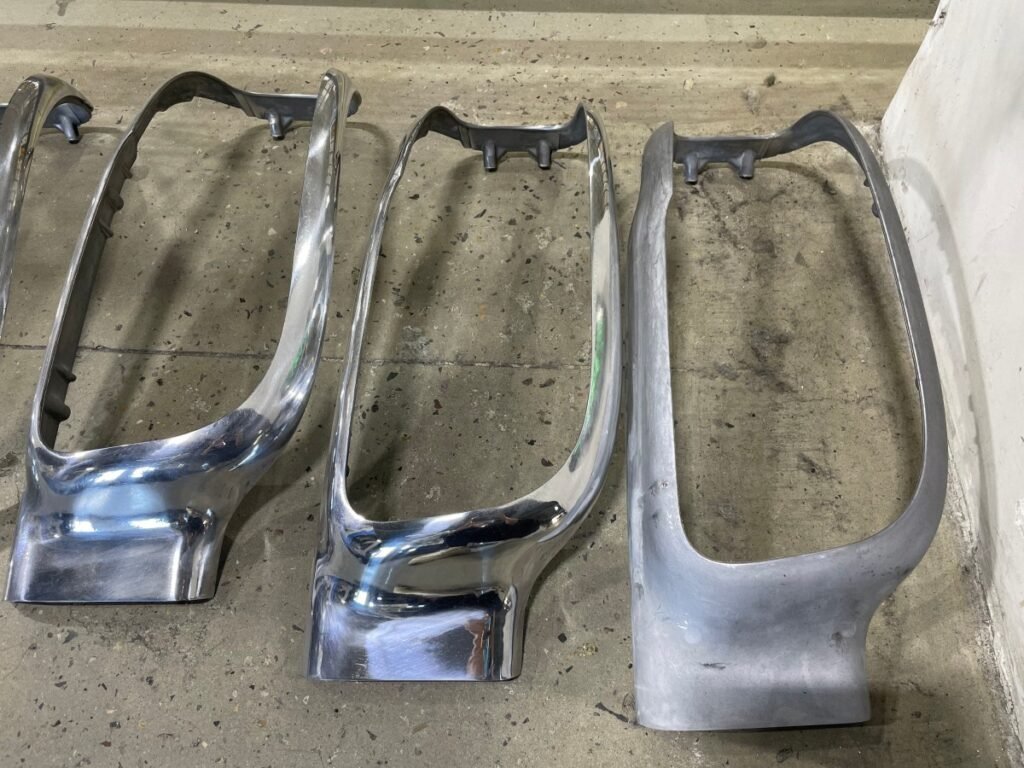
Robotic polishing solutions can be applied to various aluminum components, including:
- Automotive aluminum parts
- Die casting housings
- Machinery components
- Industrial equipment parts
- Aluminum covers and enclosures
By selecting the right polishing tools and process parameters, manufacturers can achieve different surface finishing requirements, from deburring to smooth polishing.
Key Components of an Automated Polishing System
A complete robotic polishing solution usually includes:
- Industrial robot arm
- Automatic polishing or buffing equipment
- Customized workholding fixtures
- Control system
- Dust collection equipment
- Safety enclosure (optional)
These components work together to create a stable and repeatable metal surface finishing process.
Why Choose Robotic Polishing Automation?
As manufacturing industries continue moving toward automation, robotic polishing has become an effective solution for companies facing higher quality requirements and increasing labor challenges.
For aluminum die casting manufacturers, robotic polishing automation can help improve:
- Surface finishing consistency
- Production efficiency
- Workplace safety
- Manufacturing flexibility
A properly designed robotic polishing system can provide long-term benefits for companies looking to improve their metal finishing processes.
Frequently Asked Questions (FAQ)
1. Can a robotic polishing machine handle aluminum die casting parts?
Yes. Robotic polishing machines can be customized for aluminum die casting parts with different shapes and sizes. Through proper fixtures, tooling, and programming, robots can achieve stable and repeatable polishing results.
2. What surface problems can robotic polishing remove from aluminum castings?
Robotic polishing systems can help remove casting marks, burrs, sharp edges, and uneven surface areas after the aluminum die casting process.
3. What are the advantages of robotic polishing compared with manual polishing?
Robotic polishing provides more consistent quality, higher production efficiency, reduced labor dependency, and better repeatability compared with traditional manual polishing.
4. Is robotic polishing suitable for different aluminum components?
Yes. Robotic polishing systems can be customized according to different component shapes, production requirements, and surface finishing targets.
5. What information is needed to design a robotic polishing solution?
Manufacturers usually need to provide product drawings, samples, material information, required surface finish, production volume, and current polishing process details.
6. Can the robotic polishing system be customized?
Yes. The robot programming, polishing tools, fixtures, and system configuration can be adjusted according to the specific application requirements.
7. How does robotic polishing improve production efficiency?
A robotic polishing machine maintains stable processing parameters and can operate continuously, helping manufacturers reduce processing time and achieve consistent production output.
Conclusion
A robotic polishing machine for aluminum die casting parts helps manufacturers overcome the limitations of traditional manual finishing processes by providing consistent quality, greater efficiency, and reduced labor requirements.
With the increasing demand for automation in modern manufacturing, robotic polishing systems are becoming an important solution for improving aluminum surface finishing processes.
If you are looking for a customized robotic polishing solution for aluminum die casting parts, contact our team to discuss your application requirements.